

Case Study of Pneumatic Explosion-Proof Conveying Coal Dust in Qingyang, Gansu
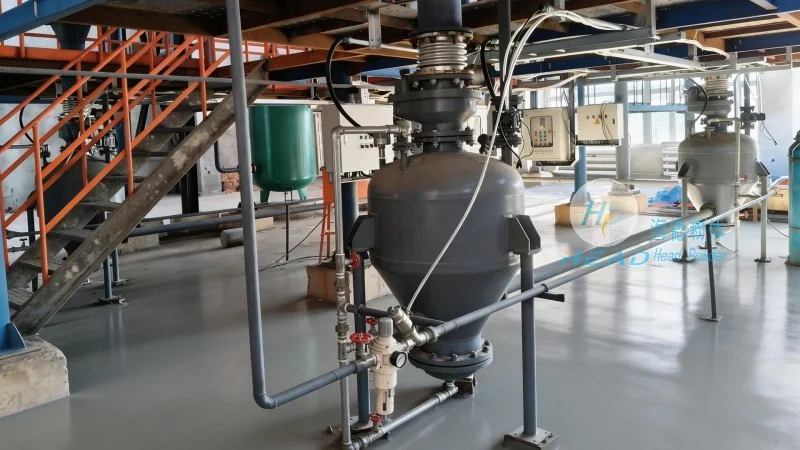
A coal chemical enterprise located in Qingyang, Gansu, mainly engages in coal processing and utilization, and produces a large amount of coal dust during production. To improve material conveying efficiency and enhance production safety, the company introduced an explosion-proof pneumatic conveying system. As a system supplier, Head Powder provided customized solutions to achieve sealed, efficient, and safe conveying of dust materials.
Customer pain points
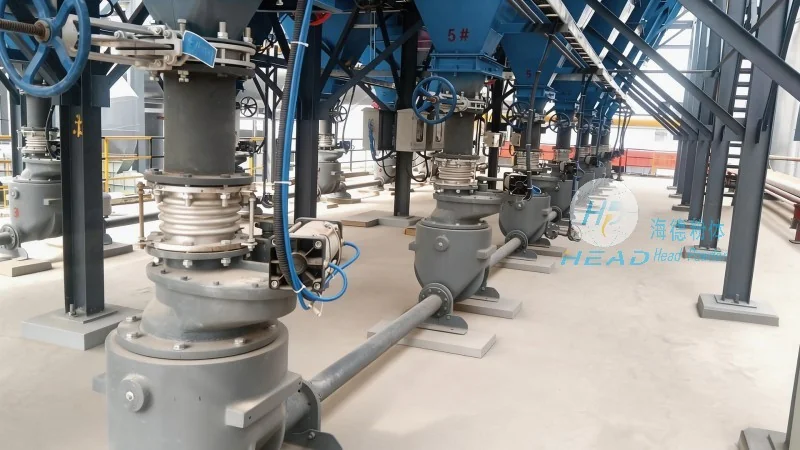
In traditional conveying methods, coal dust is exposed to open environments, presenting the following prominent issues:
1. High Dust Explosion Risk: Coal dust is a flammable and explosive substance. At certain concentrations, exposure to open flames or static electricity can easily trigger explosions, threatening personnel and equipment safety.
2. Low conveying efficiency: Manual or mechanical conveying methods are slow, consume high energy, and easily cause material leakage and waste.
3. Severe environmental pollution: Dust leakage leads to a decline in workplace air quality, environmental protection fails, and poses risks of penalties.
4. High maintenance costs: Traditional equipment wears out quickly, and frequent shutdowns for maintenance affect production continuity.
Product advantages

To address these pain points, the explosion-proof pneumatic conveying system provided by Head Powder offers the following advantages:
1. Explosion-proof safety design: The system uses explosion-proof electrical components, electrostatic grounding, and explosion relief devices to eliminate explosion risks from the source and meet dust explosion-proof safety standards.
2. Fully sealed conveying: Pipelines and equipment are fully sealed to prevent dust leakage, improving the working environment and helping enterprises meet environmental protection standards.
3. Efficient and Normal Operation: Pneumatic conveying enables long-distance, high-concentration, and continuous conveying, improving efficiency and reducing energy consumption and labor costs.
4. Intelligent control and low maintenance: Equipped with an automated control system to monitor pressure, flow, and other parameters in real time, with fault warnings; Simple structure, few easily worn parts, and long maintenance intervals.