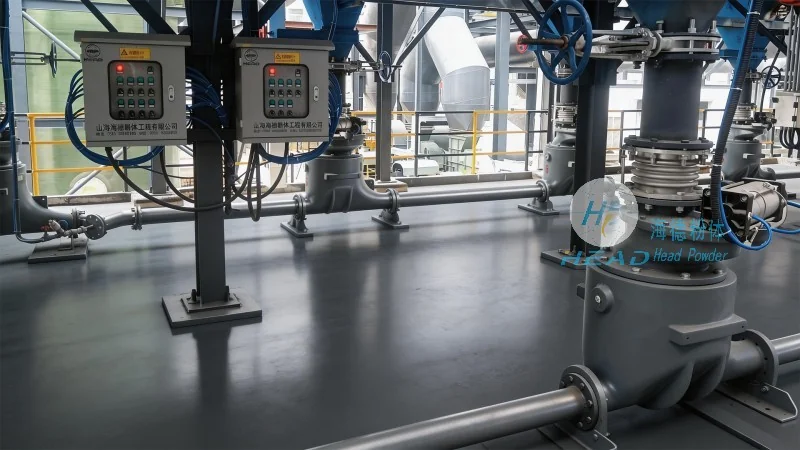
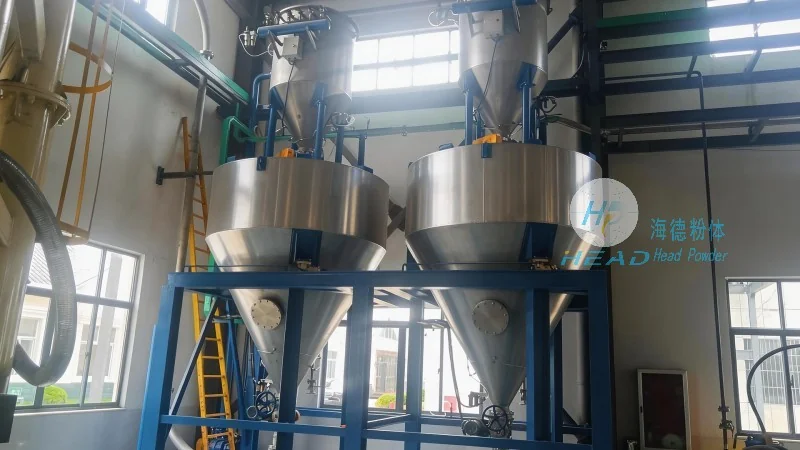
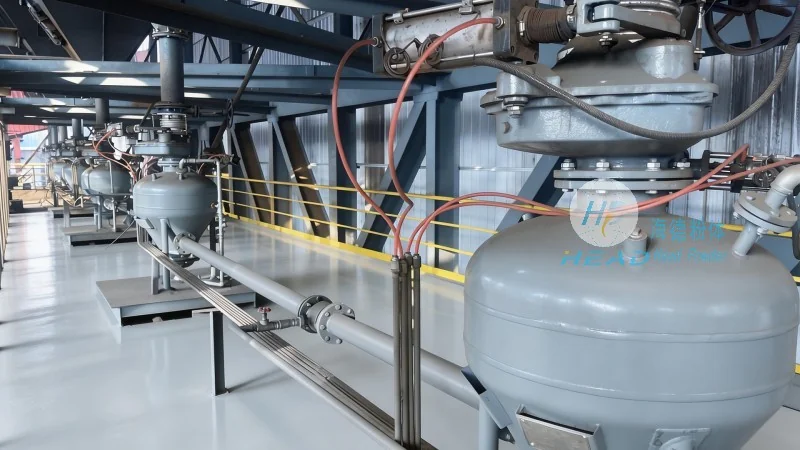
Focusing on pneumatic conveying of powder, granules, and powders, leveraging industry-university-research technology advantages to create sealed, dust-free precision conveying solutions. For inquirie

Focusing on pneumatic conveying of powder, granules, and powders, leveraging industry-university-research technology advantages to create sealed, dust-free precision conveying solutions. For inquirie
Introduction:
Frequent pipe blockages in the conveying system, high energy consumption, and persistently high maintenance costs? The rotary valve dilute phase positive pressure pneumatic conveying adopts a positive pressure dense phase design, fundamentally solving the problems of material deposition and pipeline blockages, while reducing operational energy consumption and providing enterprises with a stable and efficient conveying experience.
Frequent pipe blockages in the conveying system, high energy consumption, and persistently high maintenance costs? The rotary valve dilute phase positive pressure pneumatic conveying adopts a positive pressure dense phase design, fundamentally solving the problems of material deposition and pipeline blockages, while reducing operational energy consumption and providing enterprises with a stable and efficient conveying experience.
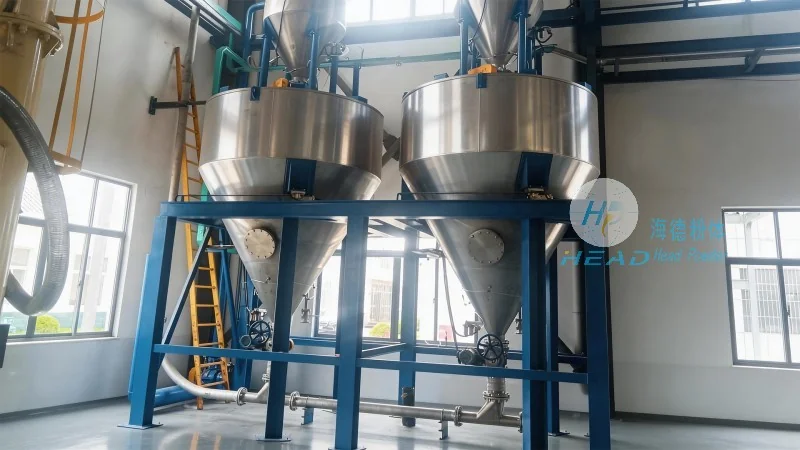
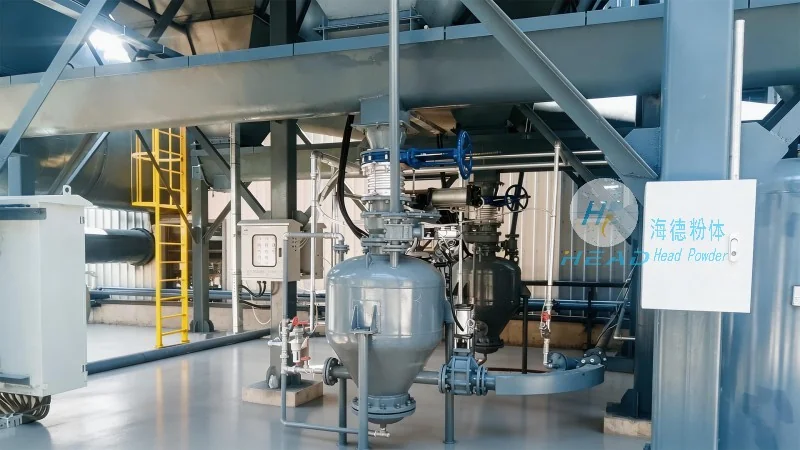
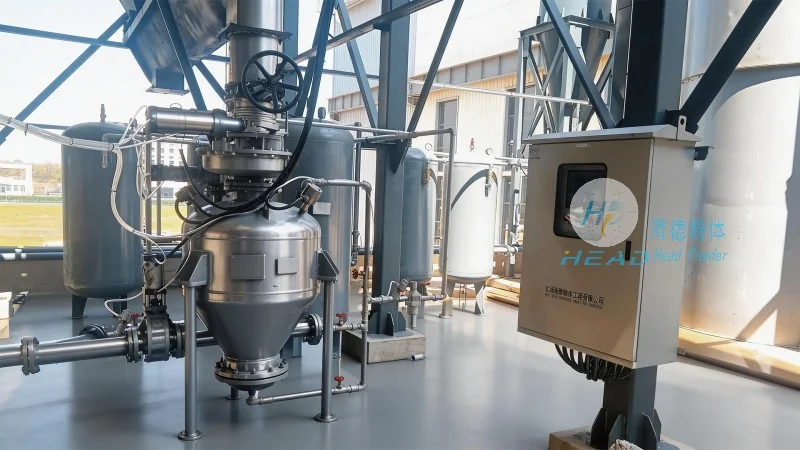
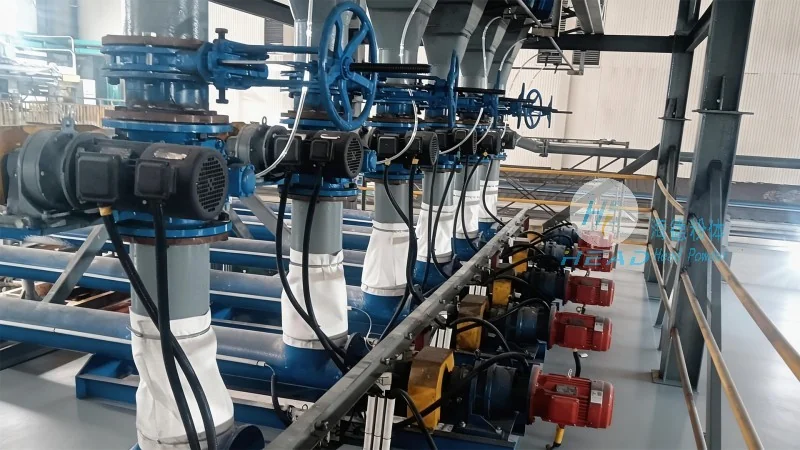
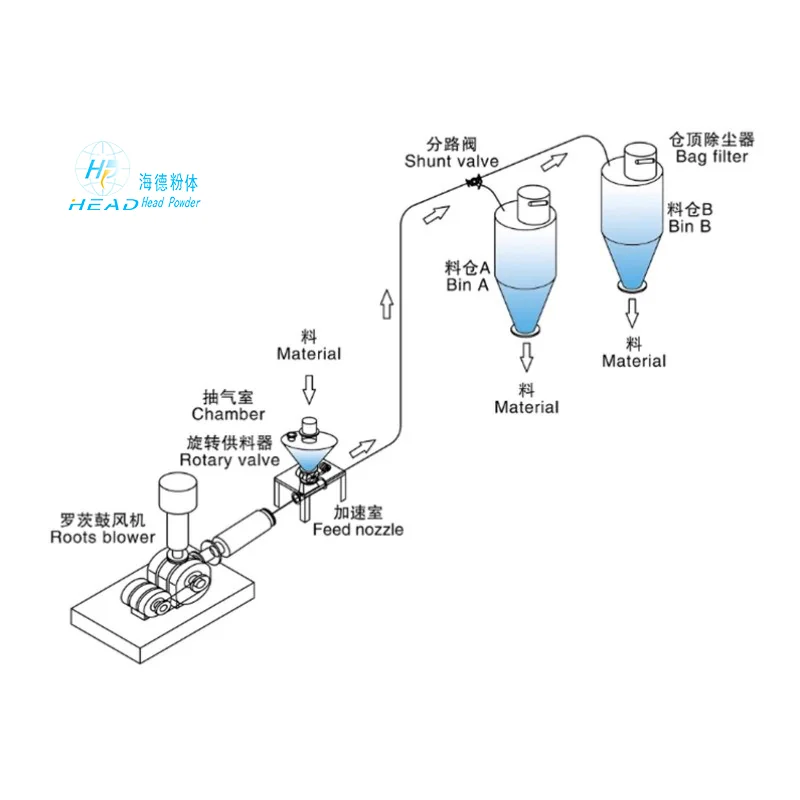
The rotary valve-type dilute phase positive pressure pneumatic conveying system is developed and manufactured by Head Powder, suitable for the sealed conveying of powdered and granular materials. The system uses a rotary valve as the core feeding core, evenly delivering materials into the conveying pipeline through positive pressure airflow, achieving stable low-speed, high-concentration conveying. It is widely used in industries such as chemicals, building materials, food, and metallurgy, especially suitable for scenarios sensitive to material crushing rates or requiring long-distance conveying.
Low crushing rate: Uses the principle of dilute phase positive pressure conveying, allowing materials to float and flow inside the pipeline, effectively preventing mechanical collisions and crush damage.
Energy saving and consumption reduction: The system operates at low pressure and has low air source power consumption. Combined with intelligent control modules, overall energy consumption is reduced by more than 20% compared to traditional methods.
Good sealing: fully enclosed pipeline design with no dust leakage, meeting environmental protection and clean production requirements.
Strong adaptability: Can transport various types of materials (such as cement, lime, plastic pellets, food powders, etc.), and has good adaptability to viscosity and humidity.
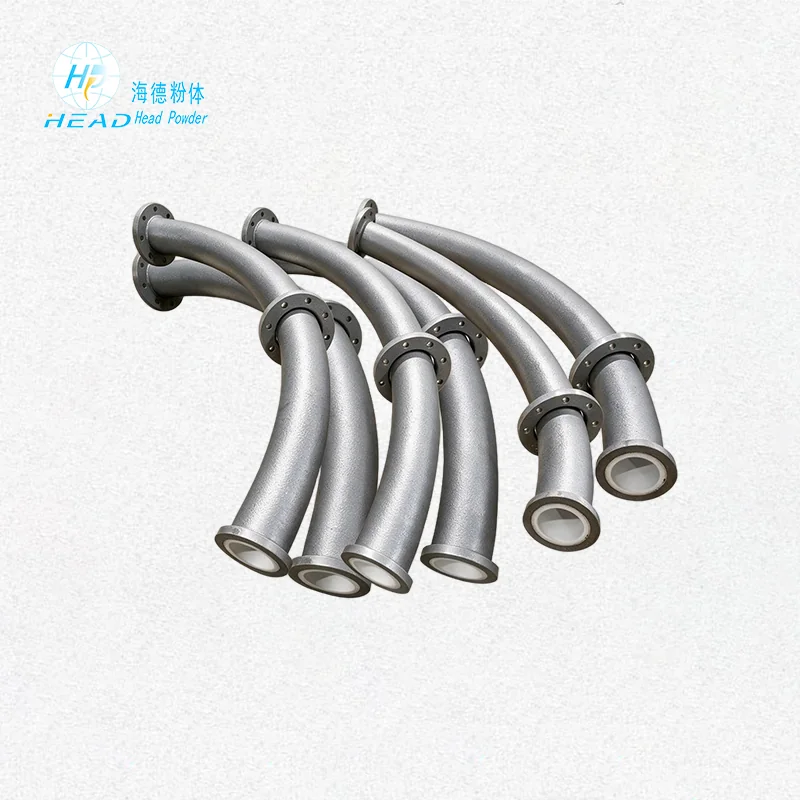
Easy maintenance: Key components such as rotary valves and pipeline interfaces are designed modularly, making assembly and disassembly quick and daily maintenance costs low.
The rotary valve dilute phase positive pressure pneumatic conveying system is a non-standard customized product, with prices determined comprehensively based on conveying distance, conveying volume, material characteristics, pipeline material, and degree of automation. We offer free technical solutions and quotations. Please contact Head Powder for targeted solutions.
Solution Consulting and Design: Based on the customer's on-site working conditions, we provide overall design and optimization recommendations for the conveyor system.
Faster response: Pre-sales technical consultation will be answered within 2 hours, and after-sales issues will arrive on-site within 48 hours.
Warranty Service: 12-month warranty for the entire machine, with free repairs or replacement of non-human-damaged components during the warranty period.
Long-term support: Provides spare parts supply, system upgrades, and operational training services to help the system continue to operate.
| Parameter name | Parameter content |
|---|---|
| Delivery method | Positive pressure dilute phase, rotary valve feeding |
| Conveying distance | 10~200 meters (customizable extension) |
| Transport volume | 0.5~30 tons/hour (adjusted according to pipe diameter and material density) |
| Pipeline material | Available in carbon steel and stainless steel (304/316L). |
Products
Cases
The most frequently asked questions before placing an order. If you can't find the answer, you can leave a message or consult online.
Specify materials and operating conditions; engineers calculate selection parameters and provide configuration lists; Drawings and technical documentation for this model can also be requested directly.
Leave a message or call; engineers calculate selection parameters by model and send back technical data. Response within 2 hours on working days, and model selection recommendations within 24 hours.