

Pneumatic conveying solution for magnesium stearate
During conveying, magnesium stearate is prone to issues such as bridging, blockages, and dust emissions. Traditional mechanical conveying methods cannot meet airtightness requirements, and there are also issues such as high material loss and frequent equipment maintenance, affecting production continuity and environmental hygiene.
Material characteristics
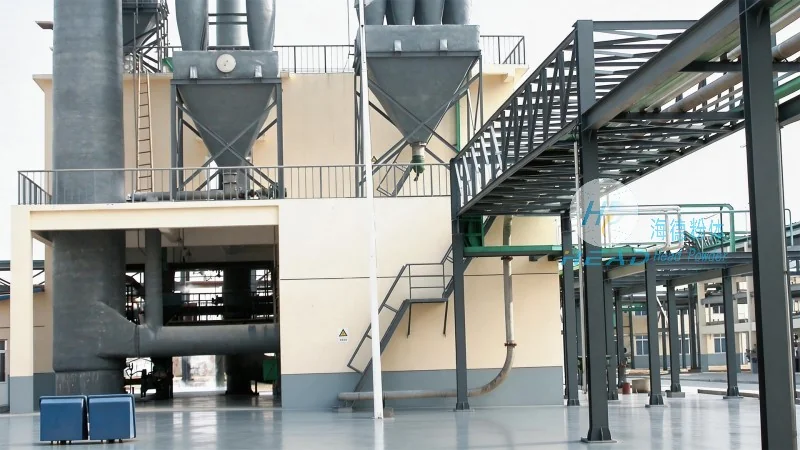
Magnesium stearate is a white powder characterized by low specific gravity, fine particle size, easy agglomeration, easy adhesion, and lubricating properties. It has poor flowability and is prone to wall snagging and caking in conventional conveying equipment, with high requirements for sealing and explosion-proof.
Product Introduction

The pneumatic conveying system for magnesium stearate provided by Head Powder adopts a sealed pipeline conveying method, with targeted design tailored to material characteristics. The system can cover the entire process from feeding, conveying, and metering to the end of the system, adapting to different production capacity requirements. By utilizing the principles of pneumatic conveying under positive or negative pressure, it enables efficient, clean, and stable material transfer, reducing manual intervention and material loss.
Product advantages
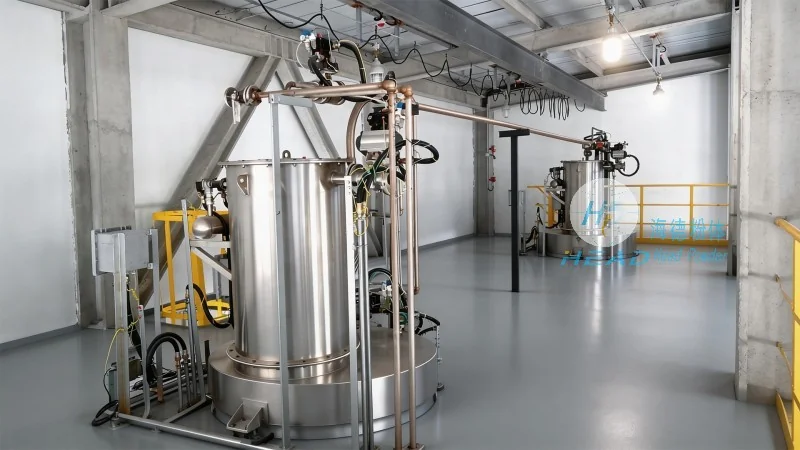
To address the pain points of magnesium stearate bridging and adhesion, the system is equipped with a fluidization device, anti-blockage silos, and a multi-point arch-breaking structure to effectively improve material flowability; Fully enclosed conveying prevents dust leakage, meeting environmental protection and cleanliness requirements; Automated control enables more accurate feeding and remote monitoring, reducing manual operation; Multiple explosion-proof designs support safe operation. Head Powder offers customized solutions based on customers' on-site conditions, offering integrated services from system selection and pipeline layout to installation and commissioning.